"My uncle did not look resigned and serene like most of the dead I have seen. Perhaps it was because his lips were swollen to twice their usual size. He looked as though he'd been punched. He also appeared anxious and shocked, as though he were having a horrible nightmare.
When was he last conscious? I wondered. What were his final thoughts? When did he realize he was dying? Was he afraid? Did he think it ironic that he would soon be the dead prisoner of the same government that had been occupying his country when he was born? In essence he was entering and exiting the world under the same flag. Never really sovereign, as his father had dreamed, never really free. What would he think of being buried here? Would he forever, proverbially, turn in his grave?"
(Page 250)
This passage really stayed with me for a few reasons. America, for many people living in different countries, really is a beacon of light or hope, or a land of fortune compared with their own misfortune and underprivileged lives. As a reader and an American, I really thought that once Uncle Joseph fled Haiti and got to America he would be safe. I feel saddened by what happened to him. Not only was he treated like a number and not a person, but he never even got a chance to see his family one last time. It's also a shame that he never wanted to leave Haiti and was finally forced to, and died in the process. I think Uncle Joseph's death was the most tragic because it was so unexpected, unjust, and happened in such an undignified way.
skip to main |
skip to sidebar

..to write or not to write an autobiography...




Eye and I
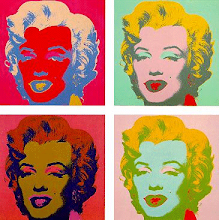
Will the Read Marilyn Monroe Please Step Forward?


"Mirror, Mirror, on the Wall" Picasso, 1932
a place for sharing ideas about the self writing about the self.

..a staggering genius...
..to write or not to write an autobiography...
Whose autobiography?
...running from and into the family...
Alfred Kazin
Inside History Now
Ironing out the wrinkles?
EGO SPEAKS
Eye and I
Looking for ...
Will the Read Marilyn Monroe Please Step Forward?
What We are Reading
- Dave Eggers "Heartbreaking Work of Staggering Genius
- Vladimir Nabokov "Speak Memory"
- Michael Ondaatje "Running in the Family"
- Mary McCarthy "Memories of a Catholic Girlhood"
- Katharine C. Black "Works in Progress"
- Jamaica Kincaid "The Autobiography of My Mother"
- Frederick Douglass, "My Narrative as a Slave"
- Edwidge Danticat "Brother, I'm Dying"
- Eavan Boland "Object Lessons"
- Alfred Kazin "A Walker in the City"
looking in the mirror

"Mirror, Mirror, on the Wall" Picasso, 1932
Welcome!
Welcome to a semester of conversations with each other about autobiography! Be sure to check in the night before the class meets the next day for postings & a chance to add your own two cents.
1 comment:
well thought.
aps
Post a Comment